September 2026
It was at the basic research conference ‘Structure of Credition’ in Graz in 2018 that Raymond F. Paloutzian (social psychology and psychology of religion), a member of the scientific advisory board of the Credition Research Project, first presented a visionary perspective: Just as the cognitive turn in psychology in the 1980s opened up entirely new possibilities, a creditive turn could lead to creditions developing as a unifying element or as a focal point for essential psychological concepts. He termed this ‘credition as connective tissue’. Now – with the contribution of co-authors Rüdiger Seitz, Nina Dalkner and Hans-Ferdinand Angel – Paloutzian’s impressive paper has been published, which elaborates on this intuitive perspective at an academic level: The article is titeled: Credition – Processes of Believing: Foundations and Implications.
September 2026
The aim of providing a platform for young researchers with an interest in creditions during the Credition Congress in Rome (20–22 November 2026) has already been achieved. We are delighted by the keen interest shown by the next generation of scientists. The ‘Structure of Credition’ basic congresses have been held annually since 2011. We would particularly like to extend a warm welcome to those participants attending such a basic congress for the first time. The congress will thus provide an opportunity to set the course for future research into credition.
Should you have any further questions regarding the programme, please contact Prof. Hans-Ferdinand Angel directly: ferdinand.angel(at)uni-graz.at
For enquiries regarding organisation and accommodation, please contact the local organiser, Prof. Lluis Oivedo: loviedo(at)antonianum.eu
The title of the conference is: Credition – Between Basic Research and Public Relevance. The conference language is English.

August 2026
How do people arrive at higher-order concepts, for example, about life or the world, about family and home? This question is the subject of a publication conceived by Rüdiger J. Seitz (neurology and cognitive neuroscience) and authored in collaboration with Hans-Ferdinand Angel (Theology and Classical Philology) and Raymond F. Paloutzian (Social Psychology and Psychology of Religion). Such ‘superordinate’ concepts integrate physical, relational and narrative information derived from the surrounding environment. However, such superordinate concepts can only be expressed linguistically once they have entered conscious awareness. This linguistic ability is made possible by neural structures in the human brain that evolve during (early) childhood. The article appeared in the Journal of Integrative Neuroscience: Superordinate Concepts – Semantic Sources, Cognitive Properties and Neural Representation. J. Integr. Neurosci. 2026, 25(8), 52392;
August 2026
The Credition Congress, which will take place in Rome from 20 to 22 November 2026, has two objectives: (1) It will provide theoretical and practical impetus for the further development of Credition research; (2) it will offer a platform enabling early-career researchers to articulate their wishes and ideas and, on this basis, to intensify their networking activities. The conference language will be English. The title of the conference will be: Credition – Between Basic Research and Public Relevance.

August 2026
At the Institute for Machine Elements and Development Methodology (IME) at Graz University of Technology, the role of belief processes in decision-making was examined at a very early stage, following a suggestion by Hannes Hick, head of the CreditionLab there. Under the leadership of Nina Dalkner, head of the CreditionLab at the Medical University of Graz, a project team worked with pupils from secondary schools in Styria (Austria) to investigate the significance of the belief factor in the application of artificial intelligence to career choices. The results are now available in a publication: Subjective AI Decision-Making Significance (SAID) in High-School Students.
July 2026
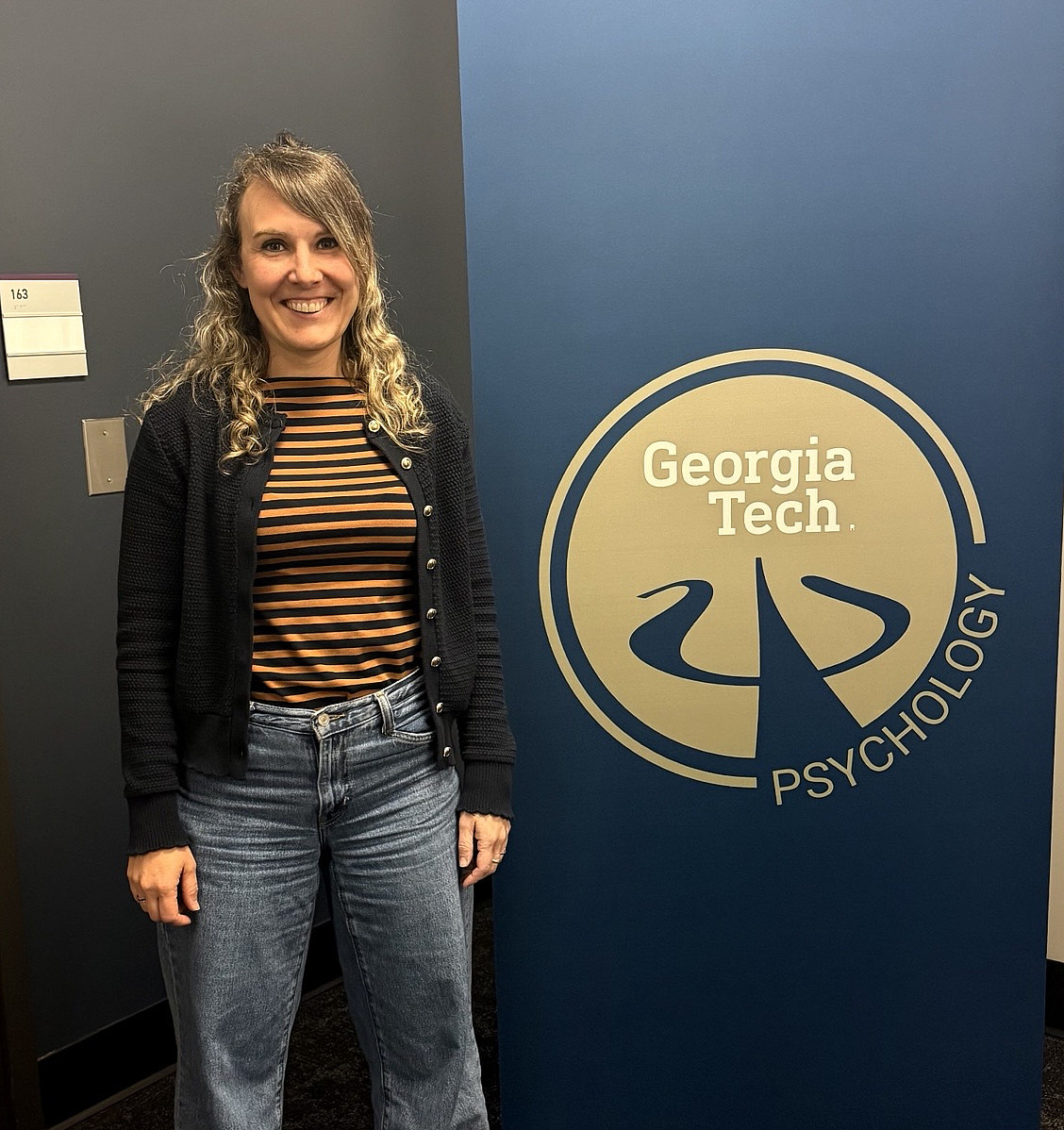
On the initiative of Nina Dalkner, Head of the CreditionLab at the Medical University of Graz, we are keen to further expand the Credition Research Network. To this end, we are inviting researchers who expressed their interest in Credition research. Due to the significant time zone differences, various meetings are being organised. The first two ‘Europe–USA: Credition Cognitive Science’ meetings took place in May and June 2026 in collaboration with the Georgia Institute of Technology, School of Psychology (Atlanta). The first ‘Europe–Japan: Credition Cognitive Science’ meeting took place in July 2026 in collaboration with the Cognitive Neuroscience Application Centre at Tohoku University (Sendai). Further meetings are planned.

June 2026
The renowned Swiss researcher of hope, Andreas M. Krafft, came across research on ‘creditions’ during the 33rd International Congress of Psychology (ICP) in Prague (2024) and, shortly afterwards, established a link between research into ‘creditions’ and sustainability research at the University of Graz. Now, in an innovative approach, he has expanded research on the “internal processes involved in the formation of belief” to include the dimension of “internal processes involved in the formation of hope”. The article appeared in the Journal of Behavioural and Brain Science (Vol. 16, No. 6, June 2026)
How Do We Hope? The Neuro-Cognitive Foundation of Hoping and Believing
June 2026
Cognitive neuroscience investigates how the brain works. As credition research has recently demonstrated, new methodological approaches can lead to findings that necessitate a revision of previous theoretical concepts. An issue planned by the open-access journal ACADEMIA NEUROSCIENCE AND BRAIN RESEARCH will focus on this shift in perspective within cognitive neuroscience. The editors of this special issue are two members of the Credition Research Project: Rüdiger Seitz (Scientific Director) and Motoaki Sugiura (Scientific Advisory Board).



April 2026
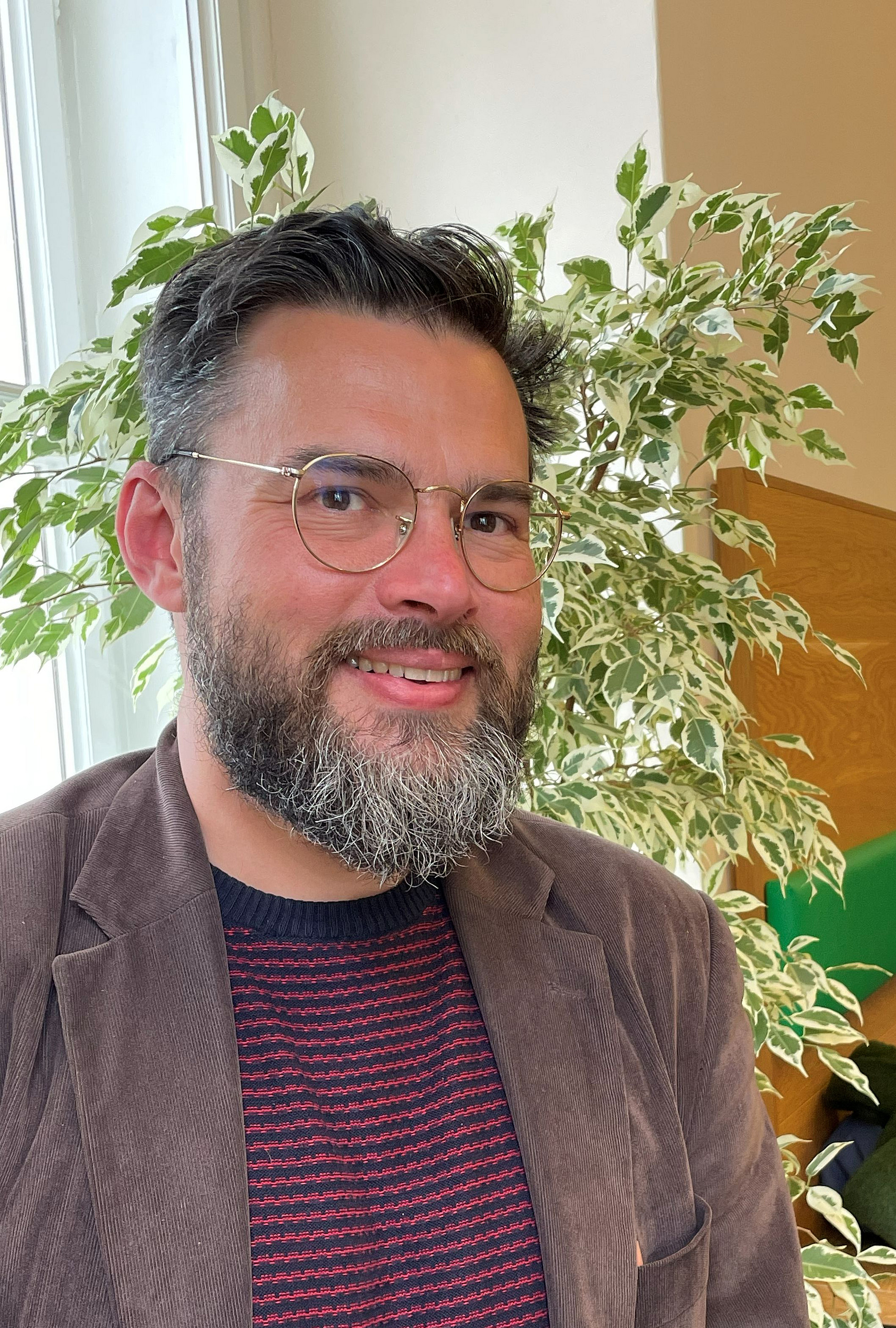
We warmly welcome Guilherme Maia de Oliveira Wood as a new member of the scientific advisory board of the Credition Research Project. He is a professor of neuropsychology at the University of Graz. In recent years, he has been actively involved in Credition research and has spoken on several occasions at the Basic Research Congresses.

October 2025
Prof Nina Dalkner, head of the CreditionLab at the Medical University of Graz, is currently a research affiliate at the Georgia Institute of Technology, School of Psychology.